

VESTIBULAR
Physiotherapy
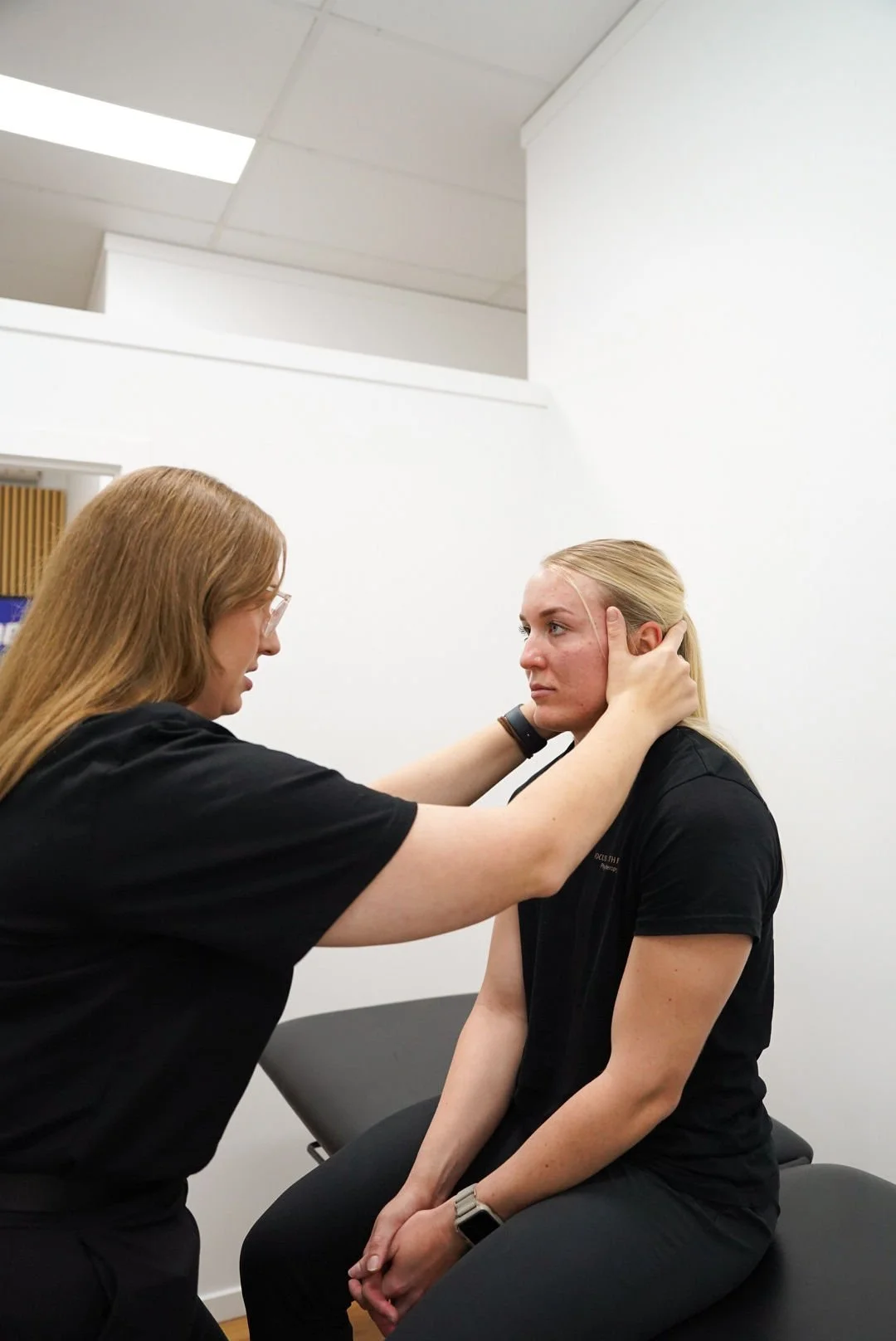
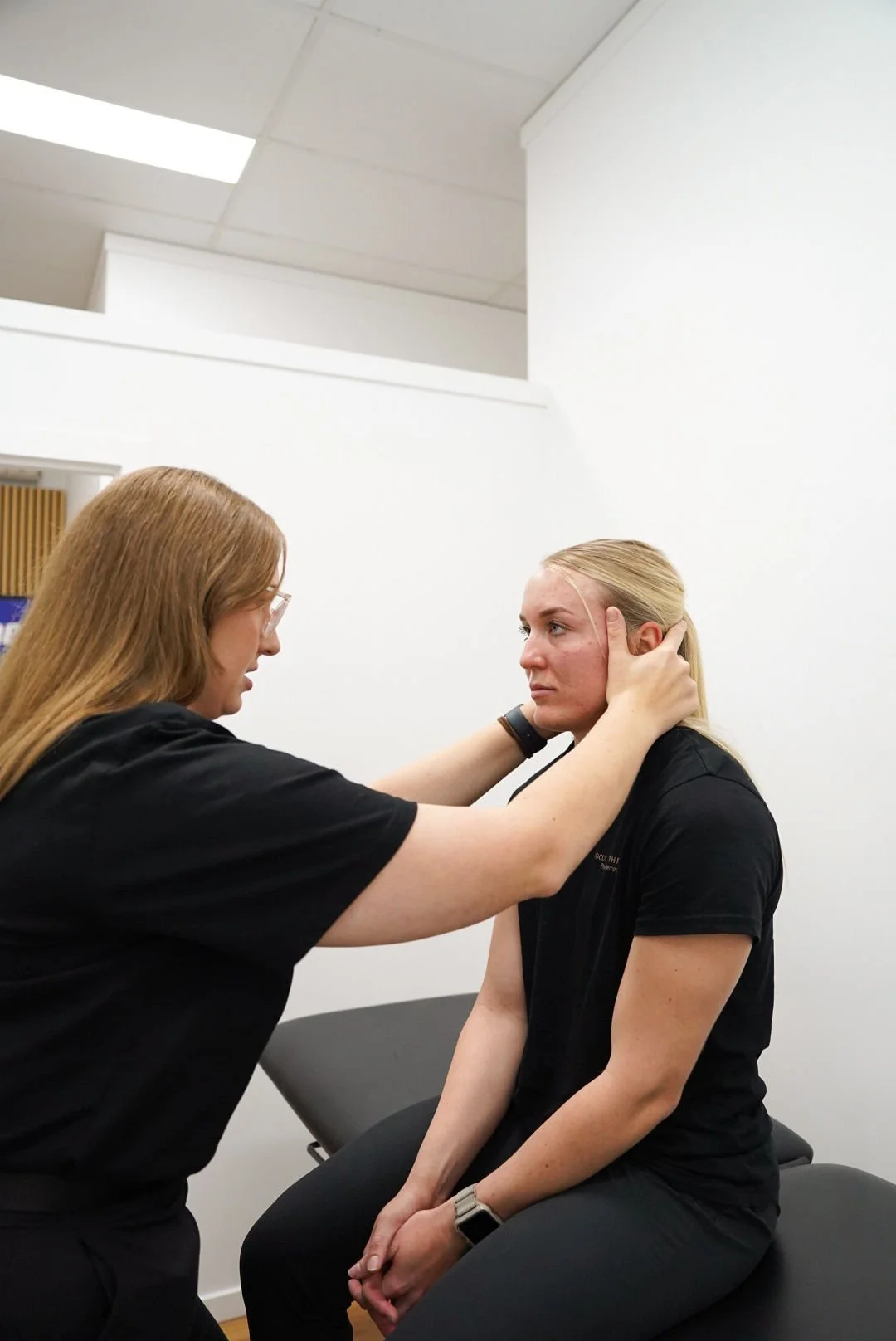
Dizziness and vertigo can affect your balance, confidence and ability to go about your life. Dizziness may feel like light-headedness, unsteadiness or feeling off-balance, while vertigo is the sensation that you or your surroundings are spinning or moving. These symptoms can have many causes, including inner ear conditions. Physiotherapists are trained to assess the inner ear and provide specific treatment to improve your symptoms. With the right assessment and treatment, many people can improve their balance, reduce symptoms and feel more confident with everyday movement.
Some common conditions are described below, but an assessment is required to know what might be causing your symptoms.
Get in touch with our Senior Physiotherapist, Ash, to discuss things on a more individual level.
LET’S FIND YOUR BALANCE
-
BPPV is a common inner-ear condition caused by tiny crystals moving into the wrong part of the inner ear. This might happen due to age, head injury or sheer luck. This can cause brief episodes of spinning dizziness, often triggered by movements such as rolling over in bed, looking up or bending down. The good news is that BPPV can often be effectively treated with specific repositioning maneuvers which gets you back to your life quickly.
-
Vestibular neuritis occurs when the nerve connecting the inner ear to the brain becomes inflamed or stops working properly. This often happens after a head cold or stomach bug. This can cause sudden, intense and persistent dizziness, often accompanied by nausea and difficulty with balance. Recovery can take time, but vestibular rehabilitation with a physiotherapist can help the brain adapt. This improves your balance and confidence with movement, getting you back to life as soon as possible.
-
Ménière’s disease is an inner-ear condition that affects both hearing and balance. It can cause episodes of spinning dizziness, ringing in the ears (tinnitus), a feeling of fullness in the ear and fluctuating hearing loss. Although symptoms can vary from person to person, appropriate management can help reduce the impact of attacks and improve everyday function.
-
Vestibular migraine is a type of migraine that affects the balance system, causing symptoms such as dizziness, unsteadiness and sensitivity to movement. Episodes may occur with or without a headache and can sometimes be accompanied by sensitivity to light or sound. Symptoms can vary from person to person, but appropriate management and vestibular rehabilitation can help reduce the impact of dizziness and improve balance and confidence in everyday activities.
-
A concussion is a mild traumatic brain injury that can occur following a blow to the head or a sudden movement of the head and body. Symptoms can include dizziness, headaches, difficulty concentrating, sensitivity to light or noise, and problems with balance. Recovery varies from person to person, but appropriate assessment, a gradual return to activity and targeted rehabilitation can help manage symptoms and support a safe return to everyday activities. Your physiotherapist is well placed to manage these symptoms, in conjunction with your medical team.


Common Questions
Seek emergency medical care if dizziness starts suddenly and is accompanied by difficulty walking, weakness, facial drooping, difficulty speaking, double vision or a severe new headache. Sudden hearing loss also needs urgent medical assessment. New or unexplained vertigo should be assessed by a healthcare professional.
When should I seek medical attention for my vertigo?
Brief spinning triggered by changes in head position can be a sign of BPPV or “crystal” vertigo. This occurs when tiny crystals in the inner ear move into the wrong place. An assessment can help determine whether BPPV is the cause and then we often treat it immediately.
Why do I feel dizzy when I roll over in bed?
This depends on the underlying cause. Some episodes last only a few seconds, while others may continue for hours or days. If symptoms are new, severe or persistent, it is important to seek medical assessment.
How long does vertigo last?
Can vertigo go away on its own?
Some types of vertigo improve over time, while others benefit from specific treatment. It depends on what we find in the assessment. For example, BPPV can often be treated with repositioning manoeuvres, and vestibular rehabilitation may help with ongoing balance problems if you have had an infection.
Can vertigo come back?
Yes. Some conditions, including BPPV, can recur. If symptoms return, an assessment can help identify the cause and determine whether further treatment is needed.
How do I know if I should see a physio for my dizziness?
If dizziness, vertigo or balance problems are affecting your daily life, a vestibular assessment may help identify the contributing factors and guide treatment. Your physio can then recommend an appropriate plan based on your symptoms and needs. You treatment might include specific head movements, balance exercises, gaze-stabilisation exercises and different techniques to help your brain learn and adapt to the changes in your balance system.